
ACTIVE CAMPAIGN
Flooding & Sewage Bottlenecks
This campaign page tracks flooding risk, wastewater capacity concerns, infrastructure delays, and the pressure placed on villages when development moves ahead without the promised upgrades.
On this page
Bottleneck at Lidsey Treatment Works
Southern Water's own disclosures show a wastewater capacity problem affecting the Lidsey Catchment Area which includes the Six Villages. The question for decision-makers is simple: why are housing approvals continuing while the infrastructure upgrades are still years from completion?
Evidence summary
Lidsey's permit limits average dry weather flow to 5,833 m³/day. Southern Water's 2025 figures are 7,754 m³/day, or 5,636 m³/day using the Q80 method. Even on the lower figure, there is less than 4% headroom before any new development connects.
A £8.67m sewer relining plan became an initial £2.3m phase. Southern Water says this alone "does not guarantee" the works will stay within the permitted limit. We haven't seen any of that happening since the last flooding season, have you?.
Southern Water says tankering will be required until planned network improvements are eventually complete.
Key concerns
Southern Water's own documents warn of "restricted toilet use" when sewers reach capacity. That's sewage backing up into your home when you flush.
Southern Water's own plan lists the Lidsey Rife as "Poor" for phosphate, citing continuous sewage discharge. That can't be good for wildlife habitats.
Planning approvals continue while Lidsey upgrades are still on the drawing board.
Southern Water has confirmed its hydraulic model has not been reviewed in light of Arun District Council's March 2026 Strategic Flood Risk Assessment, which identifies Lidsey as a sensitive catchment and indicates a higher flood risk than previously understood.
Fix First, Build Later
We call for a pause on new sewer connections in the Lidsey catchment until the infrastructure is built and permit compliance is demonstrated.
Campaign Video
10 November 2026
Latest Despatch Video — on-site investigation into the Lidsey wastewater bottleneck and catchment flood risk.
What Southern Water's Own Disclosures Say
Every point below comes from Southern Water's replies to an FOI request, Environment Agency records and Southern Water documents.
Lidsey has less than 4% headroom
Southern Water confirmed the 2025 average dry weather flow at Lidsey was 7,754.19 m³/day. Calculated using a Q80 method it was 5,636.46 m³/day. The permit limit is 5,833 m³/day. Either way, there is little or no room for new connections with thousands of homes planned for the area.
£8.67m plan, only £2.3m announced so far
Southern Water's Barnham Infiltration Reduction Plan identified £8.67m to seal leaky pipes. The current phase is £2.3m. In writing, Southern Water said this "does not guarantee that the works will stay within the permitted Dry Weather Flow limit." The wider Lidsey upgrade, around £53m, is still on the drawing board, with completion expected towards the end of the decade at the earliest.
Tankers until the fix arrives
Southern Water says tankering will be required until planned network improvements are completed. It also says it does not consider long-term reliance on tankering to be sustainable headroom for new connections, and that it holds no formal forecast or technical assessment setting out the need for multi-year tankering.
Lidsey Rife: ecological status poor
Southern Water's Drainage and Wastewater Management Plan lists the Lidsey Rife as "Poor" for phosphate, citing continuous sewage discharge as a primary cause.
Southern Water Comments on Large Development Applications
In almost all cases, Southern Water are lodging objections to large development planning applications stating there is insufficient capacity in the network – yet the houses still keep getting approved.
We know that once the houses are built, Southern has a legal responsibility to connect them to the sewerage network regardless.
Flooding on Sack Lane
Repeated surface flooding is now a persistent local safety and access issue that requires practical, location-specific action.
Situation overview
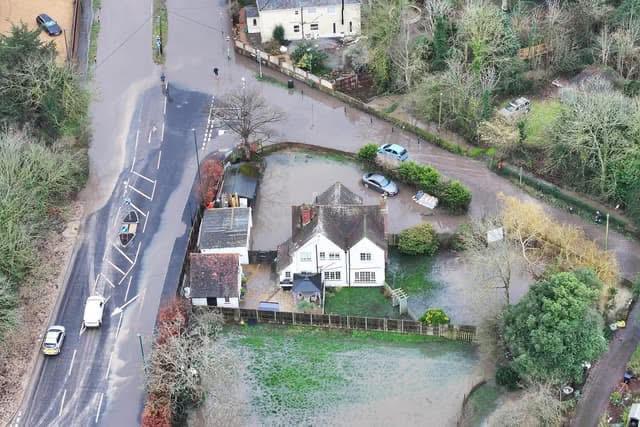
During periods of heavy rainfall, water repeatedly floods along Sack Lane, preventing safe movement for residents and vehicles.
Reports indicate recurring drainage stress, prolonged standing water, and repeated disruption to day-to-day travel through the route. In 2026 a temporary bridge had to be installed so residents could get in and out. They were told a permanent solution would be found, so far no action has been taken and we're entering flooding season again.
Key impacts observed
Route disruption
Flooded stretches prevented reliable access for residents, deliveries, and local services.
Safety pressure
Water depth uncertainty and poor visibility increase risk for drivers, cyclists, and pedestrians.
Property concern
Nearby homes and boundaries face repeated water exposure and heightened weather-event anxiety.
Infrastructure strain
Recurring overflow points to drainage capacity and maintenance gaps that need coordinated intervention.

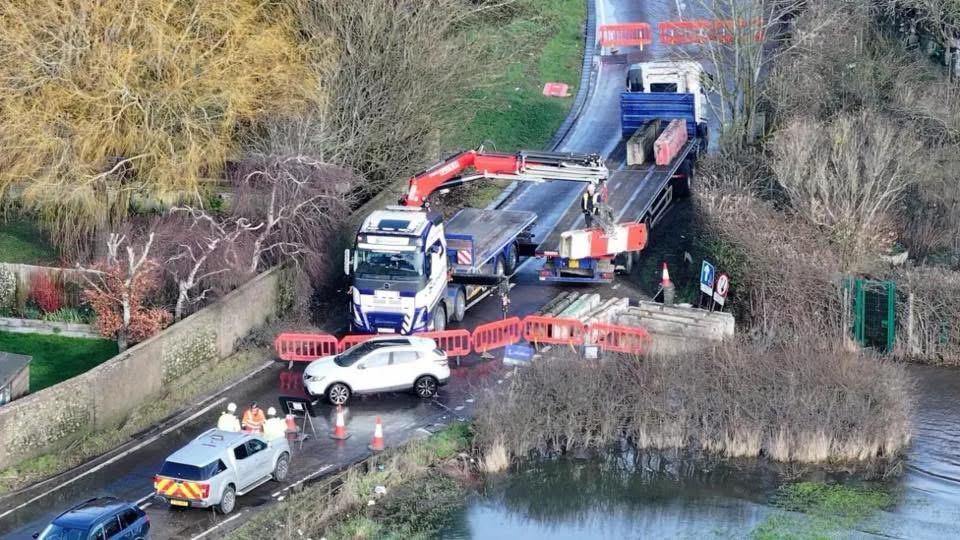
Sack Lane visual evidence reel
Embedded campaign footage with supporting on-site photo evidence from Sack Lane flooding conditions.
Build Now, tanker Later?
The Woodgate Centre, Arun District Council
At the Woodgate Centre, 180 new homes are going ahead along with many other developments in the region, even though Southern Water has stated the local sewer network cannot cope. Rather than demanding firm infrastructure upgrades first, the council is waving homes through on a wing and a prayer, hoping upgrades arrive in time. If they don't, the fallout is left for someone else to deal with.
Who Is Meant to Make Sure the Sewers Can Cope?
Delivering new housing should never outpace the local network that supports it. In this case, two public bodies hold the key responsibilities:
Arun District Council
The local planning authority that approves the homes and is meant to make sure the infrastructure is in place.
Southern Water
The regional utility responsible for the public sewer network and delivering network upgrades.
When permission was originally granted for the 180-home site, the council included a standard pre-commencement condition. This meant detailed plans for the site's foul drainage had to be submitted for council approval before major construction began. It was recorded that a sewage solution went to the very heart of the planning permission.
Southern Water Said the Network Can't Cope
Early in 2026, when the drainage proposals were reviewed, Southern Water stated clearly that the off-site public sewer network in the area currently lacks capacity and requires reinforcement before it can handle additional flow.
Yet two critical realities show how fragile that position is:
Under national utility rules, water companies are only expected to deliver network upgrades "over time" after planning permission is granted. There is no set date by which that capacity must arrive.
The pipes inside the new estate will be privately adopted by an independent water company, but that does nothing to increase the capacity of the public sewers outside the boundary, which remain Southern Water's responsibility.
Faced with these facts, the council had a clear choice: hold the line until sewer capacity was guaranteed, or push ahead and hope for the best. The council chose to hope.
How the Council Waved It Through
Rather than resolve the capacity problem first, the council took a two-step approach that let the project move forward:
Letting Work Start Early
Treating Pipes and Capacity as Separate Questions
The Can Gets Kicked Down the Road
Like many of the homes now being built across the entire region, the real question—whether the sewers can take the waste—is postponed until the very last moment:
Building the homes is allowed: Construction can go ahead now, long before anyone knows when the sewer capacity will arrive.
Moving in is the only safeguard: Under separate pre-occupation rules for many developments, no one can move into any of the new homes until the necessary sewer network upgrades are finished, or an approved temporary management solution (such as tankering) is put in place by the utility providers.
THE COUNCIL Continues to KICK THE CAN DOWN THE ROAD AND IF sewer UPGRADES AREN'T READY, IT'S FOR SOMEONE ELSE TO SORT OUT.
Why Should Local Residents Care?
This is how planning goes wrong quietly: homes approved first, and infrastructure left to luck. Here is why it matters to every village around here:
No Guarantee on Timing
Nothing in the process ensures that sewer upgrades will be completed before the houses are finished. Homes are built on schedule; utility capacity is left to vague promises.
Tankers, Not Infrastructure
The legal fallback isn't a guaranteed network upgrade—it's a temporary sticking plaster like fleet tankering. Villages shouldn't be asked to accept emergency sewage trucks as a substitute for real infrastructure.
Plan Before You Approve
A council serious about protecting residents would secure confirmed sewer capacity before waving hundreds of homes through. We will keep pressing Arun District Council and Southern Water to deliver real infrastructure across our villages.
Campaign Videos
On-the-ground technical footage and visual scrutiny of the local drainage network.

Campaign Video 1
On-the-ground survey reel of the local drainage network
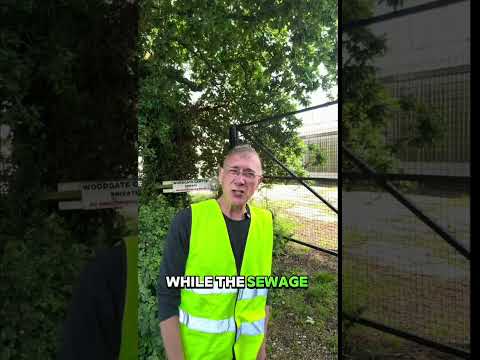
Campaign Video 2
Technical review of Woodgate wastewater flow limits
Have an urgent local issue in your area you'd like to make us aware of?
From unrecorded sewage overflows and hazardous roads to unvetted planning expansions, our scrutiny team investigates on the ground.